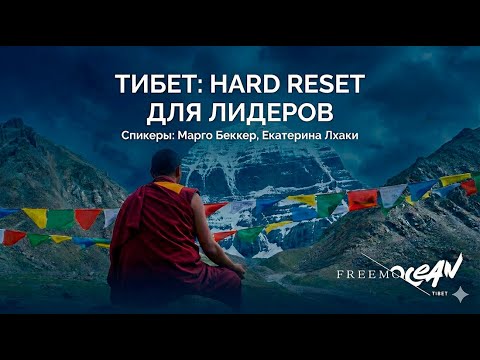
The real Tibet.A premium concierge, flawless logistics and guides who live inside the tradition — not perform it
We carry the whole of the logistics, so all of your energy goes to Tibet itself. Small groups, turnkey organisation, and guides rooted in the Buddhist tradition.
The market splits into two poles. We refuse to choose either.
Premium comfort and complete support, so all of your energy goes to taking in Tibet — while our guides open the door to the source, undistorted.
First pole
Weak logistics and conveyor-belt tourism
An assembly line where attention goes to the logistics, not to Tibet itself.
Second pole
Mysticism turned into merchandise
Esoterica for sale in place of a living, honest tradition.
Deep Tibet
Neither one nor the other
Premium comfort and guides who live inside the tradition. Small groups, turnkey organisation.
The film
Tibet as we see it
Eighty-eight seconds — the feel of a real expedition, before a single word is exchanged.
Watch the film
Our approach
Why we do this differently
Altitude is already a serious demand on the body. We hold a simple conviction: the journey of a lifetime should stay the journey of a lifetime — at any altitude. Group expeditions we run in small groups only.
Uncompromising comfort at altitude
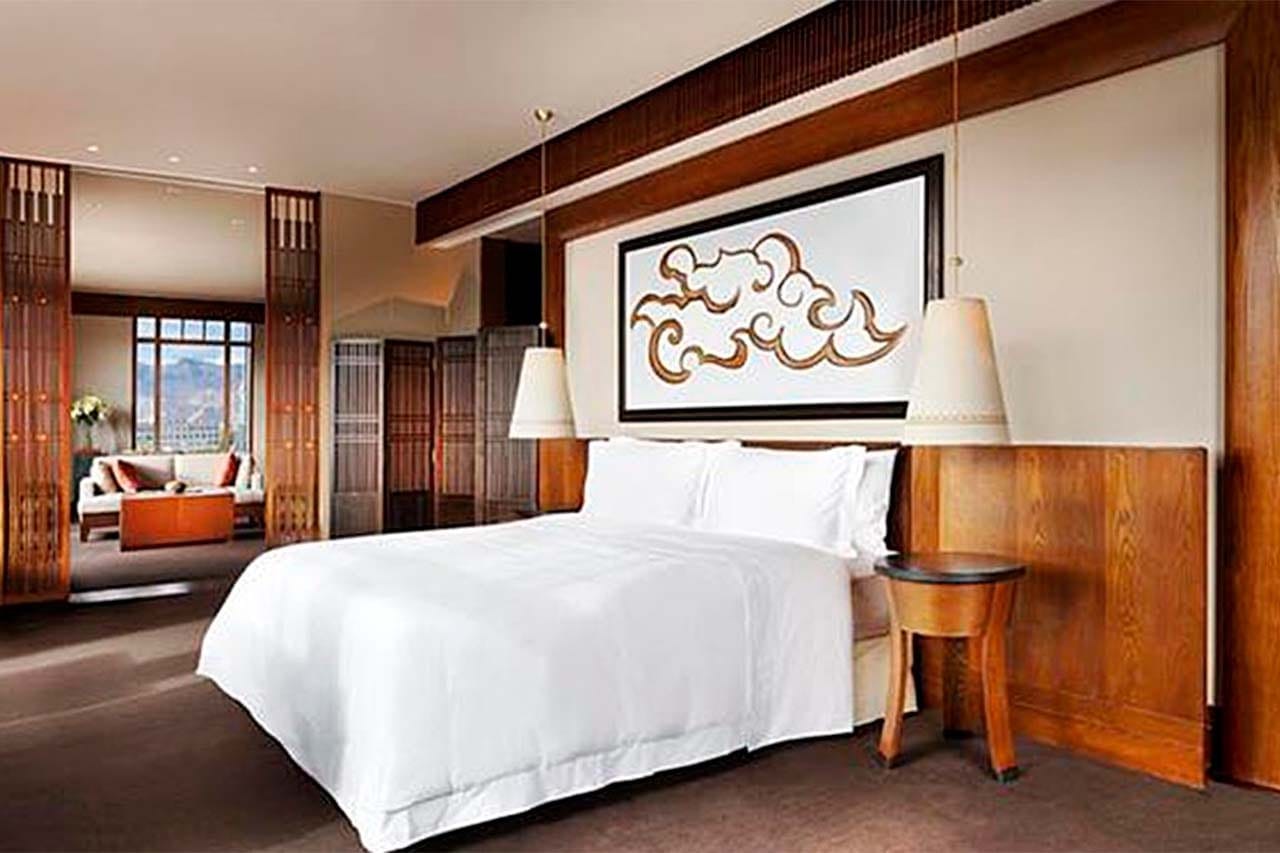
The best available hotels and comfortable vehicles. All of your energy goes to taking in Tibet.
Freedom instead of a timetable
No stops on a whistle. You pause and live the moment when it matters to you, not to the schedule.
Full support and altitude preparation
Our work begins long before departure: we prepare your body and mind for altitude through breathing practice and mindfulness.
Guides, not tour narrators
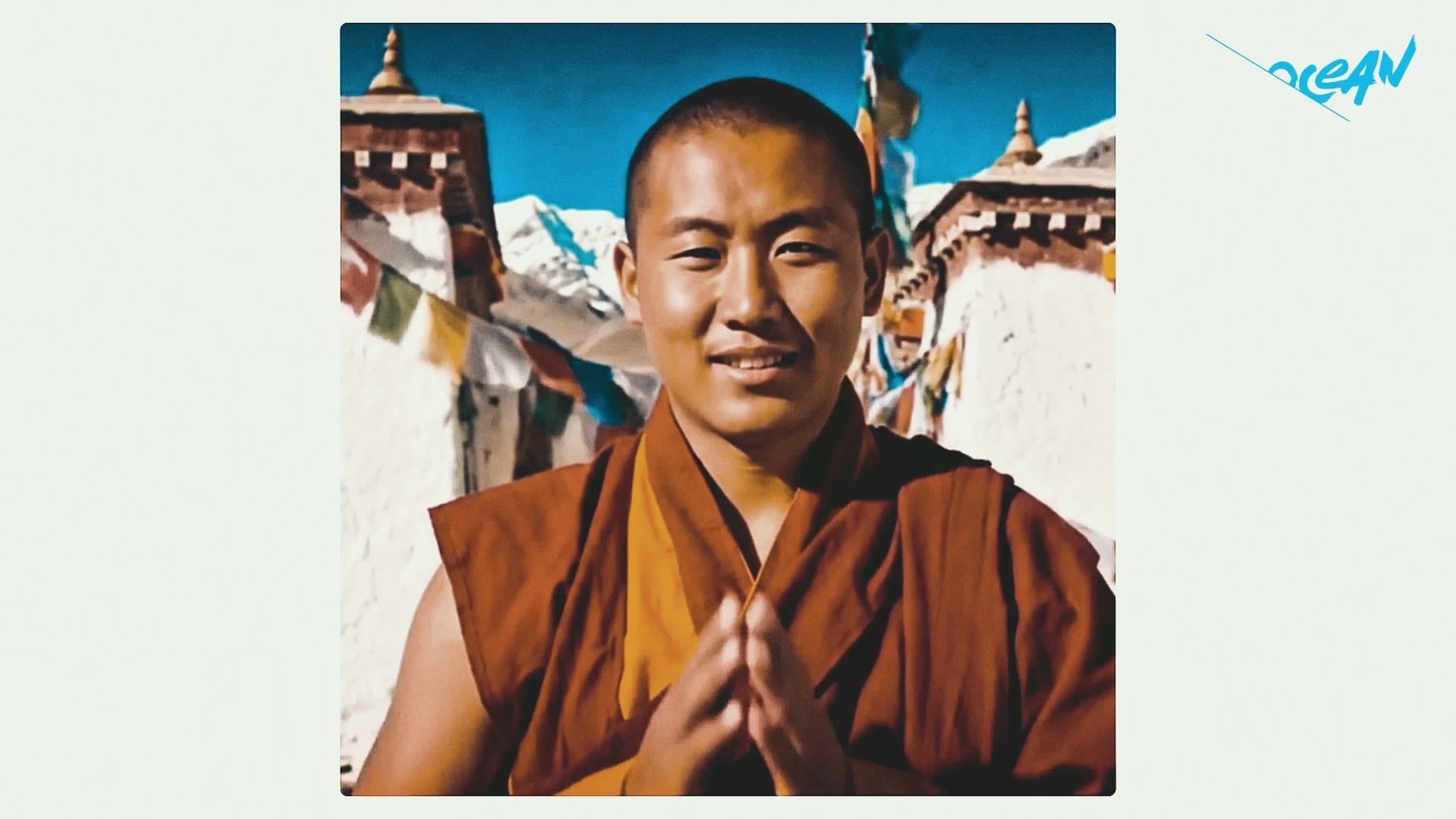
You see Tibet as your guide sees it. With you are practising Buddhists — not someone reciting dates from a guidebook.
The 4–5 star hotels on our routes — comfort, not a claim.
Founders
The founders who keep the tradition and set the project's standard
We live inside the tradition and keep it with care — and it is we who set the values and the standard of every expedition. Our pool of guides and translators — carriers of the tradition — is large, and we match the right people to each project on request.
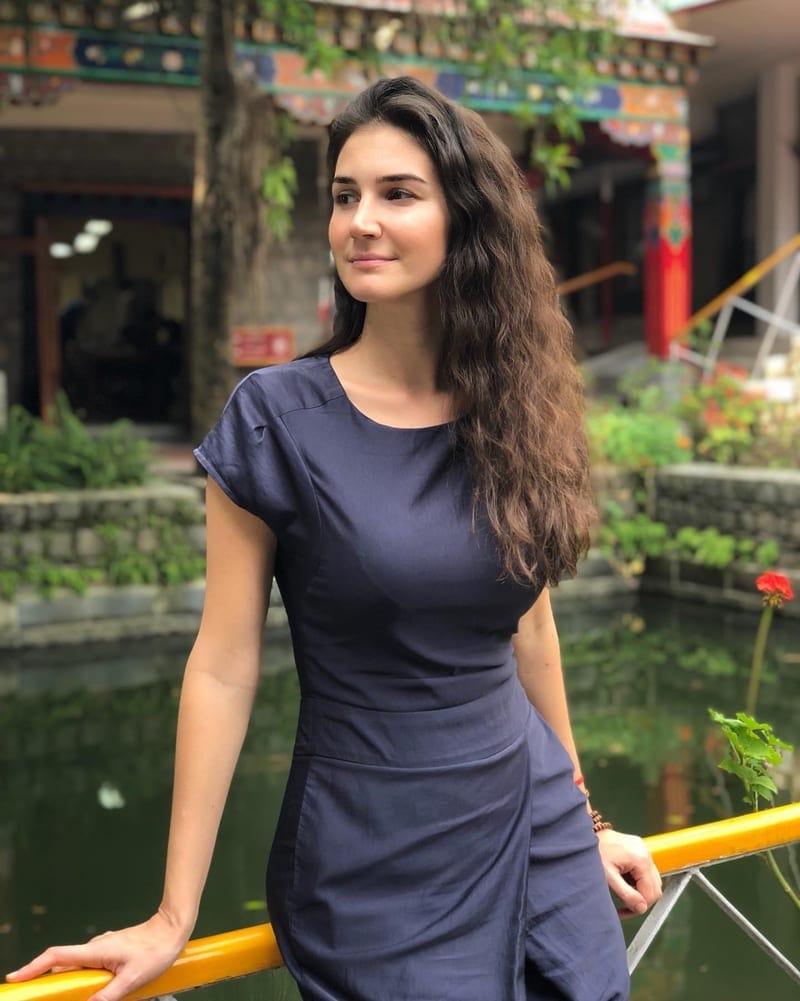
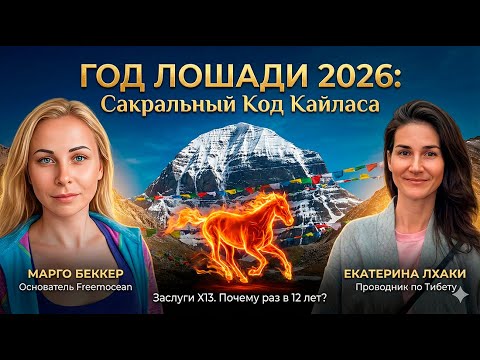
Ekaterina Lhaki
Co-founder of the Deep Tibet project · Tibetan translator
A practising Buddhist and a graduate of a Tibetan translator school, where she spent two years studying the language and philosophy. She took part in building the Stupa of Enlightenment and the first Buddhist temple in Moscow. Ekaterina does not reinvent Tibet — she stands inside its tradition.
“
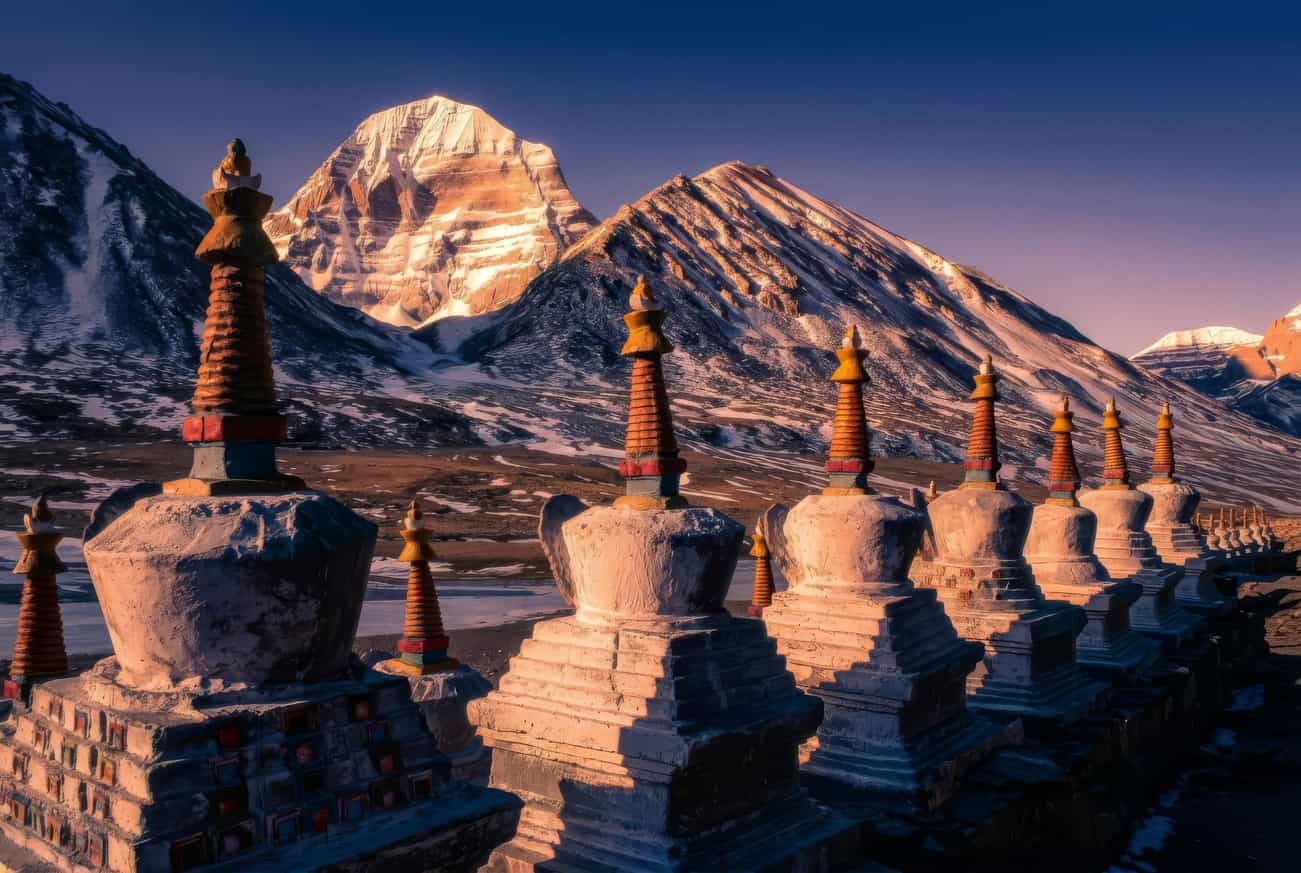
“Intellectual knowledge stays empty until it becomes lived experience. Kailash is a mirror: you do not go there to conquer a summit, you go for an honest conversation with yourself.”
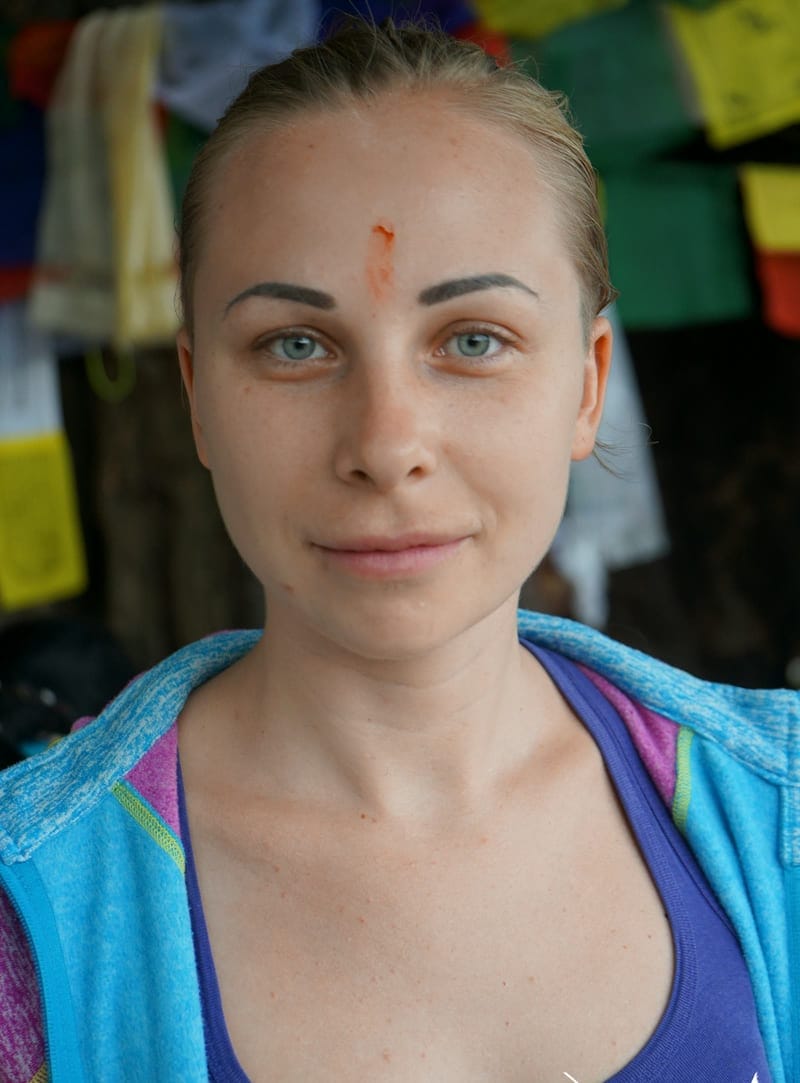
Margo Bekker
Founder of the Freemocean agency · lead of the Deep Tibet project
A personal student of Tibetan lamas, a sociologist (Moscow State University) and clinical psychologist (Russian State University for the Humanities), and a certified breathing-practice instructor. Deep Tibet is a new chapter for Freemocean: a premium product and a collaboration. It is precisely this strong management that lets us run the most complex expeditions at a level the mass market cannot reach.
“
“We take on the flawless logistics and the hard organisation, so you can afford the real luxury: to slow down, breathe out and reset how you see the world, beside people who genuinely keep this tradition.”
0 years
in the field
since 2018
expeditions to Tibet
worldwide
major corporate events
Trusted by
What we do
We take on everything, so your journey simply happens
The full range of a Tibet concierge — from small authored groups to sourcing the right carriers of the tradition for your project.
Tailored tours
Regular authored expeditions in small groups — from the kora around Kailash to hard-to-reach regions.
Individual itineraries
Exclusive expeditions built around your family, your friends or a closed group. Route, pace and depth are shaped to you.
Turnkey organisation
Permits, hotels, transport, coordination on the ground. The entire multi-layered logistics stays on our side.
Offsite events
Corporate events and offsites in Tibet, held to premium standards of logistics and guiding.
Sourcing top guides and translators
Russian- and English-speaking guides who carry the tradition: Tibetan translators, orientalists and practitioners — matched to your project.
Altitude preparation
Breathing practice, mindfulness and gentle acclimatisation before and during the route — so the kora runs on your own resources, not on medication.
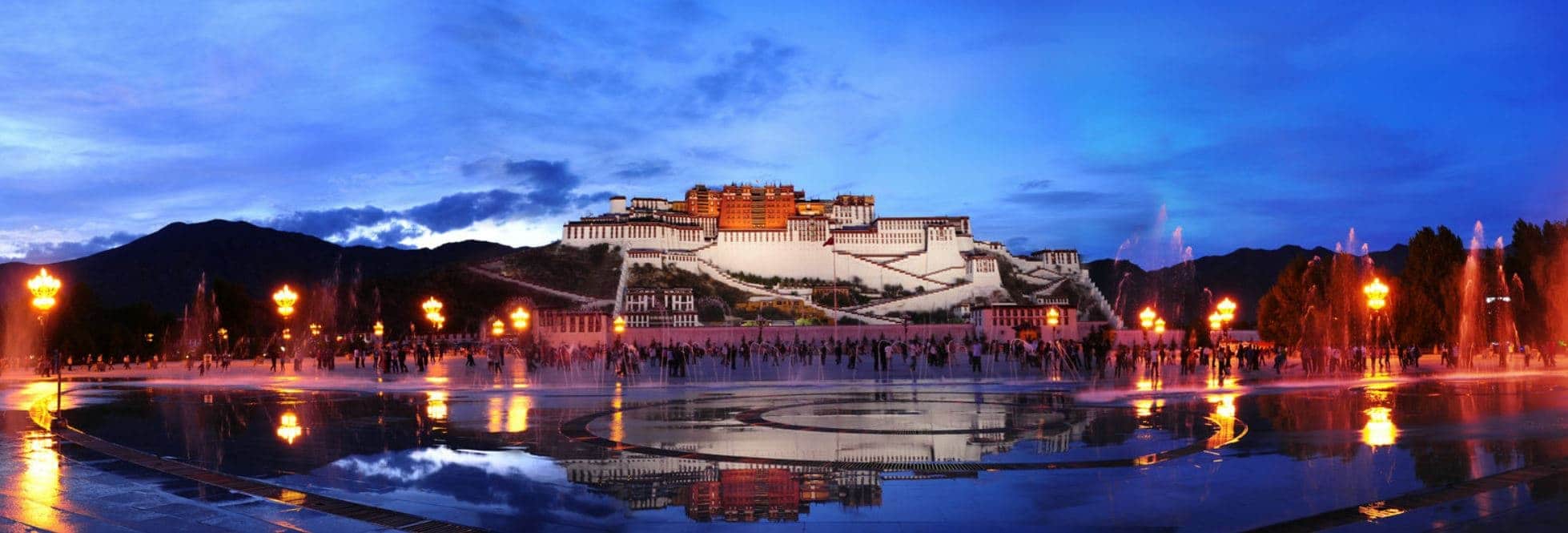
Lhasa, organised end to end.
Schedule
Upcoming expeditions
Registration is open and places are limited — we travel in small groups only.
Tibet is a demanding, closed region. Here are honest answers to the questions we are asked most.
Organisation and permits
Can I travel to Tibet on my own?
Yes, of course. To do this you need to pay for hotels, a vehicle rental for the whole stay, a driver and a local guide who will accompany you for the entire trip. On this basis the agency issues you a permit to enter the closed region — without it you will not be allowed to board a flight or enter Lhasa. From then on you may only move through the places written into your permit, which is issued on the basis of your booking; nothing can be changed or added "along the way". If you travel as part of a tour group, these costs are shared among all participants; travelling on your own, three to five days in Lhasa will cost around $1,000.
What makes up the cost of an expedition?
Tibet is a hard-to-reach region with complex logistics and tightly regulated tourist services. The base cost of a tour covers: the local agency's work (arranging all restricted permits and bookings), the rental of quality tourist transport and local drivers' services, the mandatory local guide, the accommodation and meals of the local staff (guide and driver) throughout the trip, and the hotels and admission tickets on the programme. Additional cost comes from your choice of guiding: we bring in tour leaders and guides with relevant higher education and deep cultural immersion who speak your group's language, and since such specialists do not live in Tibet permanently, their fee, travel, accommodation and meals are built into the price — in a group format these costs are shared among all participants, on an individual tour they are paid by you directly. Clients ask for different levels of guiding: guides with a deep knowledge of philosophy and Buddhist practice — translators of books and events, volunteers at worldwide Tibetan forums, personal assistants to masters and practitioners; Tibetan-to-Russian translators, who significantly deepen the experience, since what the local guide shares comes through more fully and the doors of Tibetan monasteries open differently; and English-to-Russian translators, the simplest option to arrange — easier to find, with a more modest fee than a practising Buddhist fluent in Chinese and Tibetan. A significant part of the cost is management, organisation and thorough preparation: for you to spend two weeks in a perfectly planned journey among kindred spirits, a team of ten-plus specialists starts work a year before your trip. This also covers the marketing side — bringing together a group of four to ten people who share the same values, outlook and expectations is real work, and we find these people among a huge volume of enquiries, to create not just a tour departure but a community of kindred spirits.
What documents do I need?
A passport valid for at least six months; a Chinese visa or a Chinese group visa (depending on your point of entry); a Tibet Travel Permit; and insurance with a high-altitude option.
Who will our guide be, and what language do they speak?
By law, only a certified local specialist may act as an official guide in the Tibet Autonomous Region. But our expeditions are built for depth, so every group — and individual routes on request — is accompanied by our experienced tour leaders and professional translators, and where needed by orientalists, philosophers and practitioners. The language barrier is removed entirely, and complex meaning reaches you in your own language, precisely and without distortion.
What kinds of tours do you offer?
We specialise in "comfort-plus" expeditions with deep immersion into the tradition, culture and nature of Tibet; mass conveyor-belt tourism is not what we do. The formats: authored small groups, individual VIP itineraries and closed groups, plus consulting and specialist sourcing for other organisers. Whatever the format, the foundation is the same — mindfulness, gentle acclimatisation and a careful, sustainable relationship with the region.
Preparation and altitude
How should I prepare for high altitude?
Preparation runs on two tracks and starts several months ahead. Physical: building cardio load (swimming, running), basic tests (ECG, ferritin, iron, haemoglobin) and closing any deficiencies. Psychological: lowering stress physiologically improves the body’s adaptation to altitude, so we learn breathing practices and attention techniques in advance. For every group we run breathing sessions and record video instructions for practising on your own.
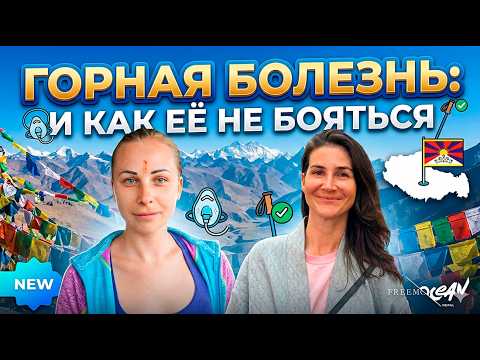
What is altitude sickness, and can it be prevented?
Altitude sickness comes from the lack of oxygen at height. Symptoms include headache, breathlessness, nausea, insomnia and loss of appetite. In the first days it is important to reduce physical activity, drink two to three litres of water a day, avoid overeating, cut out alcohol entirely and avoid getting cold. We rely on natural adaptation, through preparation and breathing.
Do I need medication such as Diamox?
Diamox (acetazolamide) stimulates breathing and speeds up the body's adaptation, but it is a prescription drug with a serious list of contraindications — take it only as prescribed by a doctor. A common mistake is overusing Diamox from the very first days: this disrupts natural adaptation and raises the body's tolerance to the drug, so that when a real deterioration comes with altitude the medication may prove useless. In our groups we rely on natural adaptation: regular breathing practice before and during the trip, along with natural remedies based on Tibetan herbs. In rare cases we recommend taking Diamox two days before heading onto the high-altitude route and during it — but by then the body is usually adapted enough that many participants choose to go without medication and its side effects.
How high is Tibet?
The average altitude is above 4,000 metres. Lhasa sits at 3,656 m, Shigatse at around 3,800 m, and Mount Kailash and the Everest Base Camp at 5,000–5,200 m.
Which medical tests should I take before the trip?
The basic minimum: an ECG under load, a full blood count, iron, ferritin and haemoglobin levels, and blood-pressure monitoring. We strongly recommend a fuller check-up and closing any deficiencies before you travel — it makes the body’s adaptation at altitude noticeably easier. With any chronic condition, a consultation with the relevant specialist is essential.
Are there age limits for travelling to Tibet?
There are no official age limits. Whether the trip is possible depends on your state of health and the absence of contraindications to being at altitude.
What kit should I bring, and what can I buy locally?
The golden rule in the mountains is layering. In Lhasa you can pick up fleece jackets, down jackets, trekking poles and oxygen cylinders, but the critical items — broken-in boots, personal medication and good thermal underwear — you must bring with you. Clothing: a membrane storm jacket and membrane trousers, trekking trousers and warm trousers (down to 0 °C), a warm walking jacket (to +10 °C) and an insulated one for altitude (to −10 °C), a long-sleeved synthetic top, thermal base layers for sleeping, a warm hat, fleece and light gloves, trekking and wool socks. Footwear: high, well-broken-in trekking boots, comfortable shoes for towns and lodges, spare laces. Gear: an insulated sleeping bag, category-S3 sunglasses, a sun hat, a thermos and a water bottle. Toiletries: a synthetic towel, hand sanitiser, eco toiletries in 50 ml sizes, biodegradable wet wipes, SPF 50+ cream and lip balm. Other: earplugs, a charger and power bank, orthopaedic knee supports, isotonic drinks, zip bags and rubbish bags — in Tibet we follow the "Leave No Trace" principle and carry everything back out.
What medication is recommended before and during the trip?
If your basic bloods are normal and there are no deficiencies, a month before departure it is enough to take a course of vitamin C and a quality multivitamin with iron. Pay particular attention to vitamin B12: it stimulates the red blood cells that carry oxygen to your tissues, and the better that system works, the easier your body copes at altitude. Gentle natural remedies based on ginkgo biloba and ginseng also work well. On arrival in Lhasa we recommend visiting a local pharmacy for traditional adaptogens with no serious contraindications — rhodiola, ginseng and cordyceps. Altitude and sports doctors also cite a broader reference list: multivitamins and minerals, digestive enzymes, hepatoprotectors, eubiotics and probiotics, glycine and meldonium. One caveat: stuffing yourself with pills "just in case" is a bad idea — at altitude your stomach, intestines and liver are already under enormous strain. The wisest move is to take this list and fresh test results to your own doctor and keep in your kit only what you truly need.
What should my first-aid kit for Tibet contain?
Beyond the medication you take regularly, put together a basic kit for emergencies: painkillers and fever reducers that suit you; gastrointestinal remedies — sorbents, enzymes and anti-diarrhoeals (loperamide, for example); cold remedies for the first signs of a cold; antihistamines in case of an allergic reaction; motion-sickness tablets for the long drives along mountain switchbacks; dressings — a bandage, antiseptics and good plasters, including blister plasters such as Compeed; decongestant nose drops and a remedy for sunburn (radiation in the mountains is extremely high). If you have any chronic conditions, be sure to bring the medication your doctor has prescribed, along with the prescriptions in English.
Logistics and routes
When is the best time to plan a trip?
The optimal window is May to October: most passes are open and the temperature stays comfortable. April to June and September to November are also suitable, though the mountains can be colder then.
Is Tibet ever closed to foreigners?
Yes. Tibet closes to foreign travellers every year from mid-February to the end of March, because of the weather and the Tibetan New Year celebrations.
How do I get to Tibet, and which routes are best?
There are four main ways in, and the choice depends on your priorities, the logistics and how much comfort you want. By air from cities in China (Chengdu, Chongqing, Xi'an, Guangzhou, Beijing, Shanghai) — our main recommendation: the fastest, easiest and most comfortable way to reach Lhasa from anywhere in the world. By air from Kathmandu (Nepal) — a short flight of just 1.5 hours with a chance to take in Nepal; the trade-offs are that the border can only be crossed as a full group, and it does not suit holders of a valid Chinese business visa (entering from Nepal, an ordinary Chinese visa is cancelled and a group visa is issued instead through the Chinese embassy in Kathmandu, with your original passport handed to our Nepalese agent a week before entry). By train along the Qinghai–Tibet railway — a scenic route that helps the body acclimatise gradually, but it costs a good deal of time; we recommend taking the train one way only. By road from Kathmandu to Lhasa across the Himalayas — a long, costly route with difficult mountain stretches; its upside is the logistics — once past the Chinese border you are as close to Kailash as possible and can start the kora within a couple of days — but we strongly advise against driving this route twice.
Does the train help avoid altitude sickness?
The carriages are sealed and oxygen is maintained inside. Real acclimatisation only begins once you step onto the platform in Lhasa, but the slow gain in altitude softens the sharp stress: in our experience, travellers who arrive by train feel the symptoms of altitude sickness far more gently, or not at all.
Is it safe to travel around Tibet?
In terms of crime, Tibet is safe, and you are always accompanied by guides. The one safety rule outside the towns is to keep away from Tibetan mastiffs in the areas where nomads live.
Payment and money
What currency is used in Tibet, and are there cash machines?
The official currency is the Chinese yuan (RMB). Cash machines are easy to find in Lhasa and Shigatse, but remote areas take cash only, so stock up in advance. The most convenient option is to link a card to the Chinese payment systems (WeChat, Alipay). Russian "Mir" cards do not work in Tibet; if you travel from Russia, arrange a UnionPay card beforehand.
Do I need insurance, and what must it cover?
Medical insurance is mandatory and is not included in the tour price. You need a policy that covers high altitude above 3,500 metres, as well as emergency medical evacuation (including by helicopter) and search-and-rescue. Ordinary travel policies, and those bundled with premium bank cards, generally do not apply at these altitudes.
Etiquette and ethics
Etiquette and taboos in Tibet?
Circling sacred sites (the kora) and turning prayer wheels is done clockwise only. Photograph local people only with their permission. Remove your headwear when entering a temple; never touch altars, statues or a person's head; and step over a temple threshold rather than onto it.
Is tipping expected in Tibet?
Tips are not strictly required, but in the tourist sector they are expected and form a meaningful part of your guides’ and drivers’ income. At the end of the tour it is customary to leave each of them a thank-you — roughly from $100 per person, depending on the length of the trip and how satisfied you are with their work; the organiser usually names the exact recommended amount before the tour ends. In cafés and restaurants tipping is not common practice, but for excellent service you may leave up to 10% of the bill by tradition. We advise against giving to street beggars — it is wiser to save those funds for donations in monasteries, or to support the team that builds your journey.
Contact
Ready to talk through your expedition?
Message us on WhatsApp — we will answer your questions and prepare a quote for your route.